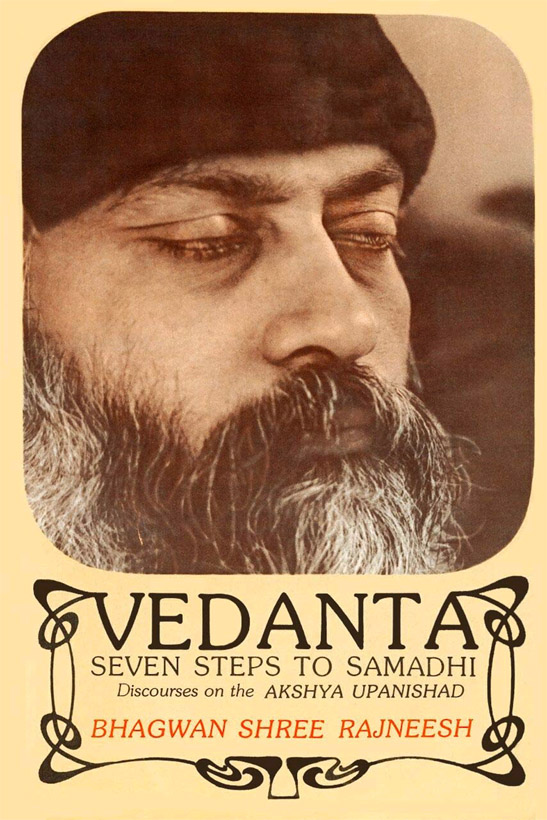
Vedanta: Seven Steps to Samadhi
Discourses
Table of Contents
Towards the Truth
Towards the Truth. The sage Sankriti visits the Sun God—seeking truth. Towards the truth: Sankriti approaches Aditya, the Sun God, for the supreme teaching. The Vedanta begins with the movement toward truth. Not arrival but the sincere turning. The sun is the symbol—light is the destination.
Attaining Real Eyes
Attaining Real Eyes. The eyes of the soul—attain them. Attaining real eyes: the physical eyes see objects; the real eyes see the self. Sankriti asks the Sun God for the real eyes. The Vedanta: without real eyes, truth is invisible. Meditation opens the real eyes.
With Your Total Heart
With Your Total Heart. Not half-hearted—total heart. With your total heart: the Vedanta demands totality. A half-hearted seeker gets half-truth. The total heart dissolves the ego. Give your whole being to the search—the Vedanta rewards only the total.
The Supreme Knowledge
The Supreme Knowledge. Not information—the knowledge that transforms. The supreme knowledge: the Sun God reveals the supreme knowledge (Brahma Vidya). Not facts about Brahman but direct knowing. The Vedanta: supreme knowledge is not learned but lived. It's the knowledge that IS being.
In Deep Patience
In Deep Patience. The path requires patience—not hurry. In deep patience: the Vedanta is not instant. The seed needs time to sprout. The sage is deeply patient—trusting the process. Hurry is of the ego; patience is of the soul. The seven steps take time—give them time.
With the Grace of the Sages
With the Grace of the Sages. Grace is needed—not effort alone. With the grace of the sages: effort takes you so far; grace takes you the rest. The Vedanta: the seeker of the second stage receives the grace of the sages. Surrender attracts grace; ego repels it.
You Become the Offering
You Become the Offering. Not offering things—offering yourself. You become the offering: the Vedanta's secret—the ultimate offering is yourself. Not flowers or fruits but your ego. When you offer yourself, you become the fire. The offering and the offered are one.
The Unwavering Mind
The Unwavering Mind. The mind must become still—unwavering. The unwavering mind: the third stage of yoga—the mind ceases its wavering. Like a flame in a windless place. The Vedanta: the unwavering mind reflects the self like a still lake reflects the moon.
The Means is the End
The Means is the End. No separation—the path IS the goal. The means is the end: the Vedanta's paradox—you don't walk TO the goal; the walking IS the goal. The means (meditation) is not different from the end (samadhi). Each step is the destination. Don't seek the end—be the means.
Sublime is the Spontaneous
Sublime is the Spontaneous. The spontaneous action is sublime. Sublime is the spontaneous: the fourth stage—the seeker acts spontaneously, not from planning. Two kinds of nonattachment: one effortful, one spontaneous. The sublime is the spontaneous—action from being, not from thinking.
One in the Many
One in the Many. The many are one—see the unity. One in the many: the Vedanta's core vision—Brahman is one, appearing as many. Don't be fooled by diversity—see the unity. The sage sees the one in the many. The fifth stage: contentment and bliss—the one recognized.
Only Knowing Remains
Only Knowing Remains. In the sixth state—only knowing, no knower. Only knowing remains: the sixth stage—the knower dissolves; only knowing remains. Like clouds in an autumn sky—the mind ceases. Only truth remains. The Vedanta: pure knowing without a knower.
When the Coin Disappears
When the Coin Disappears. The two sides merge—the coin (duality) disappears. When the coin disappears: the duality of knower/known is a coin with two sides. In the seventh stage, the coin itself disappears. Not two, not one—beyond both. The Vedanta: the coin of duality dissolves.
The Motionless Flame of a Lamp
The Motionless Flame of a Lamp. The mind becomes like a flame in no wind. The motionless flame of a lamp: the mind in samadhi is like a flame in a windless place—motionless. The Vedanta: the fifth state—the mind ceases, like clouds in an autumn sky. Only the motionless flame of awareness remains.
God Seeks You
God Seeks You. You don't seek God—God seeks you. God seeks you: the Vedanta's reversal—you think you seek God, but God seeks you. The seeker is God's own seeking. When you're ready, God finds you. The Vedanta: stop seeking—let God seek you. Surrender and you're found.
The Art of Dying
The Art of Dying. Die to the ego—the art of dying. The art of dying: the Vedanta teaches dying—to the ego, to the false self. The seventh stage (Videhamukti) is the ultimate death—bodiless liberation. Die before you die—then death becomes a transformation, not an end.
Valleys and Peaks
Valleys and Peaks. The path has valleys and peaks—both are the path. Valleys and peaks: the spiritual path is not always up—there are valleys (dark nights) and peaks (illuminations). The Vedanta: both are needed. The valley prepares the peak; the peak deepens the valley. Walk both with equanimity.